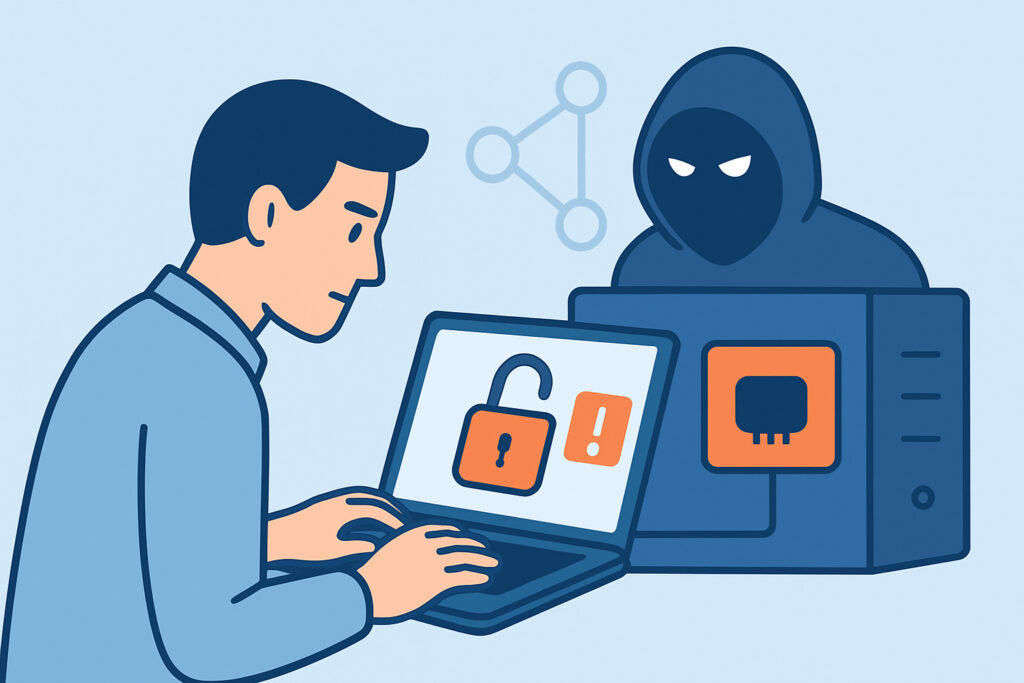
Shadow IT creates unknown open ports on your network by introducing unauthorized applications and services that establish external connections without IT oversight. These rogue services can expose your organization to significant security risks, from data breaches to compliance violations. Understanding how shadow IT generates these hidden attack vectors is essential for maintaining a secure network perimeter.
Every unauthorized application, development server, or employee-installed service potentially opens new ports that bypass your documented security policies. These unknown endpoints create blind spots in your security posture that threat actors actively exploit during reconnaissance phases.
What Shadow IT Means for Network Security
Shadow IT encompasses any technology deployed within an organization without explicit approval from the IT department. This includes cloud services, software installations, development environments, and network-connected devices that employees introduce independently.
The security challenge intensifies because these unauthorized systems often run with minimal security configuration. Developers might deploy testing environments with default credentials. Marketing teams could install analytics tools that create new API endpoints. Remote workers might set up personal file-sharing solutions that expose corporate data.
A common scenario involves a development team launching a new web application on a staging server. They configure it to listen on port 8080 for external testing but forget to implement proper authentication. The service remains active long after the project ends, creating a persistent vulnerability that appears in no official documentation.
Common Shadow IT Sources of Unknown Open Ports
Development and testing environments represent the largest source of unauthorized open ports. Developers frequently spin up services for rapid prototyping, often using well-known ports like 3000, 8000, or 9000. These services typically lack the hardening applied to production systems.
Personal productivity tools create another significant vector. Employees install applications like file synchronization services, remote access tools, or collaboration platforms that establish external connections. Each tool potentially opens inbound ports or creates reverse tunnels that bypass firewall restrictions.
IoT devices and smart office equipment increasingly contribute to shadow IT port exposure. Printers, cameras, environmental sensors, and building management systems often ship with default configurations that enable remote management interfaces on standard ports like 80, 443, or 8080.
Cloud services integration frequently introduces unexpected port requirements. When employees adopt SaaS applications independently, these services might require specific inbound ports for webhooks, API callbacks, or real-time synchronization features.
Detecting Shadow IT Open Ports
External port scanning provides the most effective method for discovering shadow IT services because it reveals your actual attack surface from an outsider’s perspective. Internal network scans might miss services that only accept external connections or operate behind complex routing configurations.
Regular comparison of scan results against your documented service inventory quickly identifies unauthorized additions. Any port appearing in external scans that lacks corresponding documentation requires immediate investigation.
Service fingerprinting during port discovery reveals crucial details about unauthorized applications. The combination of port number, service banner, and application version information often pinpoints exactly which shadow IT solution created the exposure.
Network flow analysis complements external scanning by identifying internal systems that initiate unexpected outbound connections. These connections might indicate applications preparing to accept inbound traffic or services establishing reverse tunnels.
The Real Cost of Shadow IT Ports
Beyond immediate security risks, unknown open ports create compliance complications across multiple frameworks. PCI DSS, SOX, HIPAA, and other regulations require organizations to maintain accurate inventories of network services and their security controls.
Shadow IT ports complicate incident response because security teams lack visibility into these services during breach investigations. Unknown applications might contain compromised data or serve as lateral movement paths for attackers without appearing in any security monitoring systems.
Myth: Some security professionals believe that shadow IT ports pose minimal risk if they operate on internal networks only. However, many shadow IT solutions automatically configure port forwarding, use cloud proxies, or establish VPN connections that expose services externally regardless of internal network segmentation.
The financial impact extends beyond potential breach costs. Organizations might unknowingly violate software licensing agreements, create data retention compliance issues, or expose intellectual property through undocumented services.
Preventing Shadow IT Port Proliferation
Implementing a formal process for legitimate service deployment reduces shadow IT adoption. When employees can quickly request approved alternatives for their productivity needs, they’re less likely to install unauthorized solutions.
Regular employee education about shadow IT risks proves essential. Many users don’t realize that installing seemingly innocent applications might open network ports or create security vulnerabilities. Training programs should emphasize the connection between individual actions and organizational security.
Technical controls like application whitelisting and network segmentation limit shadow IT deployment options. However, these controls must balance security with productivity to avoid driving more sophisticated workarounds.
Establishing clear policies for development and testing environments prevents the most common source of shadow IT ports. These policies should mandate documented approval processes, automatic service termination schedules, and security configuration requirements.
Managing Discovered Shadow IT Services
When external scanning reveals unauthorized open ports, rapid assessment becomes critical. Document the service details, identify the responsible party, and evaluate the immediate security risk before determining next steps.
Not every shadow IT service requires immediate termination. Some unauthorized applications might provide legitimate business value and can be brought into compliance through proper documentation and security hardening.
Reducing your attack surface often involves consolidating multiple shadow IT solutions into approved enterprise alternatives that provide similar functionality with better security controls.
Integration with existing security monitoring ensures that formerly shadow IT services receive appropriate oversight once they’re officially recognized and documented.
FAQ
How quickly can shadow IT create new open ports?
Shadow IT services can expose new ports within minutes of installation. Cloud-based applications often automatically configure external access, while local installations might immediately bind to network interfaces with default settings.
Can firewalls prevent shadow IT from creating open ports?
Traditional firewalls provide limited protection against shadow IT because many unauthorized services use common ports like 80 or 443, or establish outbound connections that create reverse access channels. Regular security reviews remain essential for comprehensive protection.
What’s the difference between shadow IT and legitimate temporary services?
Legitimate temporary services follow documented approval processes, include defined termination dates, and appear in official service inventories. Shadow IT operates outside these processes and often persists indefinitely without oversight.
Building Long-Term Shadow IT Resistance
Successful shadow IT prevention requires balancing security controls with business agility. Organizations that create overly restrictive environments often experience increased shadow IT adoption as employees seek workarounds for legitimate productivity needs.
Regular external port scanning combined with documented service inventories provides the foundation for detecting and managing shadow IT proliferation. This approach ensures that security teams maintain visibility into their actual attack surface regardless of internal IT processes.
The goal isn’t eliminating all unauthorized technology use, but rather creating systems that quickly identify shadow IT deployments and efficiently integrate valuable solutions into the official IT infrastructure with appropriate security controls.