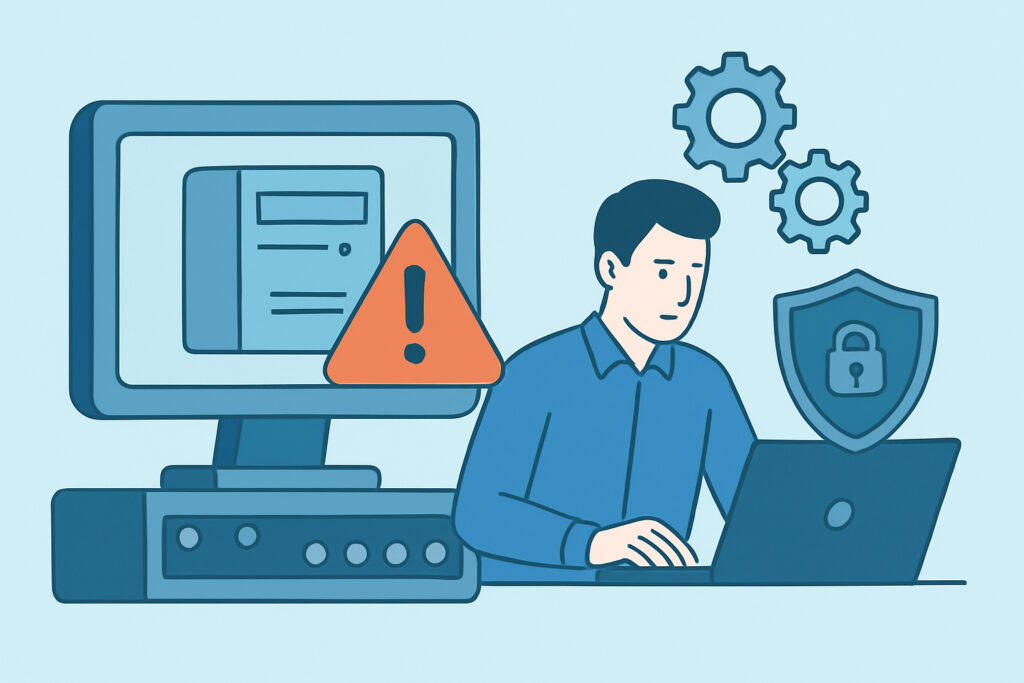
Legacy systems present a unique challenge in network security – they often run outdated software with known vulnerabilities while requiring open ports to function. Managing technical debt in legacy systems requires a strategic approach that balances operational needs with security requirements, particularly when it comes to exposed services and their attack surface.
The combination of aging infrastructure and accumulating technical debt creates a perfect storm for security incidents. Systems that were secure when deployed years ago may now expose critical vulnerabilities through their open ports, yet business dependencies make immediate replacement impossible.
The Hidden Security Costs of Legacy Technical Debt
Technical debt in legacy systems manifests as security risks in several ways. Outdated operating systems no longer receive security patches, leaving known vulnerabilities permanently exposed. Applications running on these systems often use deprecated protocols or authentication mechanisms that modern attackers can easily exploit.
Consider a scenario where a manufacturing company relies on a 15-year-old SCADA system running Windows Server 2008. The system requires multiple open ports for data collection, remote monitoring, and database connections. Each of these ports potentially exposes services with known CVE entries, but the system is too critical to operations for immediate replacement.
The attack surface grows exponentially when legacy systems accumulate additional services over time. A database server that originally only needed port 1433 for SQL Server might now also run a web interface on port 8080, FTP services on port 21, and remote desktop on port 3389 – each addition increasing the potential for compromise.
Common Port Security Issues in Aging Infrastructure
Legacy systems frequently suffer from poor port hygiene due to years of incremental changes and patches. Development teams add new services without removing old ones, creating a sprawling attack surface that nobody fully understands.
One critical misconception is that internal network placement protects legacy systems from external threats. However, many legacy systems were designed when network perimeters were clearer. Today’s hybrid cloud environments and remote work requirements often expose these systems directly or indirectly to the internet through VPN connections and network bridges.
Default ports present another significant risk. Legacy applications often use well-known default ports that attackers target specifically. An old Apache Tomcat installation on port 8080 or an unpatched database on port 3306 becomes an immediate target for automated scanning tools.
Understanding your complete attack surface becomes crucial when dealing with legacy systems, as documentation often falls behind the actual deployed configuration over time.
Strategies for Securing Legacy Systems Without Major Upgrades
When full system replacement isn’t feasible, several tactics can reduce the security impact of technical debt. Start by conducting a comprehensive inventory of all open ports and the services behind them. Many organizations discover services they forgot existed during this process.
Implement network segmentation to isolate legacy systems from critical infrastructure. Create dedicated VLANs or subnets that limit both inbound and outbound connections to only what’s absolutely necessary for business function.
Port-level access controls provide another layer of protection. Instead of leaving ports open to entire network ranges, configure firewalls to allow access only from specific IP addresses or subnets. This approach, known as microsegmentation, significantly reduces the blast radius if a legacy system becomes compromised.
Consider implementing a jump host or bastion server for administrative access to legacy systems. Rather than exposing RDP or SSH directly, route all administrative connections through a hardened intermediary system that provides better logging and access control.
Building a Risk-Based Approach to Legacy Port Management
Not all open ports present equal risk. Develop a classification system that considers both the vulnerability level of the service and the potential business impact of compromise. Prioritizing port security findings by risk level helps focus limited resources on the most critical issues.
High-risk ports include those running services with recent CVE publications, administrative interfaces, and database connections. Medium-risk ports might include web services with proper authentication or encrypted protocols with older implementations. Low-risk ports could include properly configured monitoring services or read-only data feeds.
Establish monitoring for changes in your legacy environment’s attack surface. Systems that haven’t been touched in years can suddenly become much more dangerous if new services appear or existing services become accessible from new network locations.
Create a technical debt register specifically for security issues. Document each legacy system’s security posture, including known vulnerabilities, compensating controls, and planned remediation timelines. This approach helps justify security investments and prevents critical issues from being forgotten.
Monitoring and Continuous Assessment
Legacy systems require more frequent monitoring than modern infrastructure because they can’t rely on automatic security updates. External port scanning provides visibility into how your legacy systems appear to potential attackers, revealing services that internal network scans might miss due to firewall configurations.
Establish baseline configurations for each legacy system’s port profile. Any deviation from the baseline – new ports opening, services changing versions, or previously closed ports becoming accessible – should trigger immediate investigation.
Version detection becomes critical for legacy systems because patch levels directly correlate with vulnerability exposure. Regular assessment of service versions running on open ports helps prioritize which systems need the most urgent attention.
Many organizations make the mistake of assuming legacy systems are “set and forget” from a security perspective. In reality, these systems often require more attention because their security posture can degrade over time as new vulnerabilities are discovered in their static software versions.
FAQ
How often should legacy systems undergo port security assessment?
Legacy systems should be scanned at least weekly, with critical systems requiring daily monitoring. The inability to quickly patch these systems makes early detection of changes essential for maintaining security posture.
Can firewall rules adequately protect legacy systems with known vulnerabilities?
Firewalls provide important protection but aren’t sufficient alone. Network-level controls should be combined with application-level security, monitoring, and incident response procedures. Firewalls can fail or be misconfigured, and internal threats may bypass perimeter controls entirely.
What’s the biggest mistake organizations make with legacy system port security?
The most common error is assuming that legacy systems are too old to be attractive targets. Attackers specifically target older systems because they’re more likely to have unpatched vulnerabilities and weaker security controls, making them ideal entry points for lateral movement within networks.
Managing Legacy Security as an Ongoing Process
Successfully managing technical debt in legacy systems requires treating security as an ongoing operational concern rather than a one-time assessment. Regular external scanning, continuous monitoring, and proactive risk assessment help maintain visibility into your legacy attack surface.
The goal isn’t to make legacy systems as secure as modern infrastructure – that’s often impossible. Instead, focus on reducing risk to acceptable levels while maintaining business functionality. This balance requires ongoing attention and regular reassessment as both threats and business requirements evolve.
Remember that legacy systems with poor port security often serve as stepping stones for attackers seeking to compromise more valuable targets. Investing in legacy system security protects not just those systems themselves, but your entire network infrastructure.